
Comprehensive Post-Operative Physical Therapy Guidelines for Successful Recovery
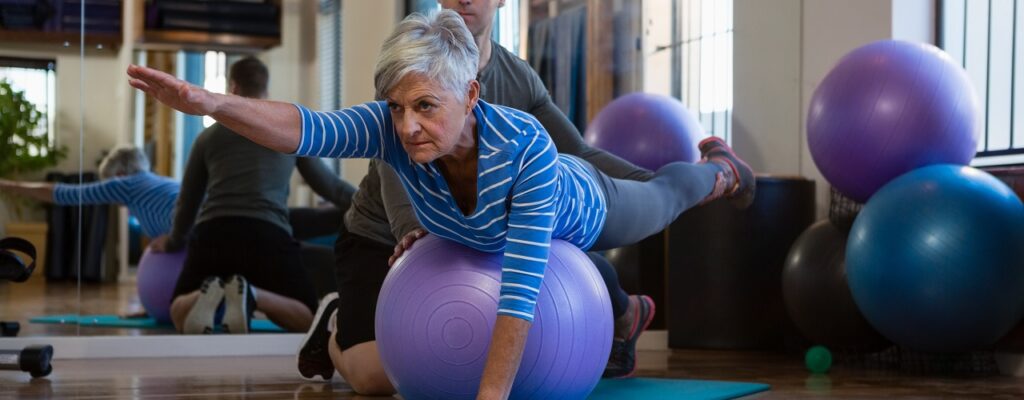
If you’re scheduled for an upcoming surgery–especially orthopedic surgery–you probably know that you’ll be spending quite some time in post-operative physical therapy. Full rehabilitation may take six months to a year (and sometimes longer), depending on your procedure. Want to know what to expect? These comprehensive physical therapy guidelines can light your way!
Physical therapy is a crucial piece of any orthopedic surgery. From minor procedures like carpal tunnel repairs to major surgeries like a total knee replacement, it takes time to restore mobility, strength, and functionality after you’ve left the hospital.
At Legacy Physical Therapy & Wellness, we have plenty of experience guiding patients through the post-operative rehabilitation process. We work closely with you, your surgeon, and any other members of your care team to develop a personalized rehabilitation that addresses your specific needs and goals.
We also know you’re probably nervous about the surgery and what comes after. Hopefully, reading these comprehensive physical therapy guidelines will let you know what to expect!
And if you still have questions, don’t hesitate to schedule an appointment at our Naperville, IL clinic.
Comprehensive Physical Therapy Guidelines: The Four Stages of Recovery
The first step in understanding your rehabilitation journey is to look at the roadmap. Recovery after surgery is a progressive process in which you gradually incorporate more intensity as you get stronger and more mobile. Here’s a quick overview of what you can expect:
- One Week After Surgery: The immediate aftermath of your surgery is the acute phase, during which you allow the surgical site to heal. You’ll focus on managing pain, reducing swelling, and getting used to any mobility aids while getting started on gentle range of motion exercises.
- Two to Four Weeks After Surgery: At this point, you’ll enter into the healing phase. Your body’s still healing from the surgery, but you’re well enough to begin outpatient physical therapy. There, your therapist will work with you on gentle mobilization exercises to help prevent scar tissue formation (and potential movement restrictions).
- Four To Seven Weeks After Surgery: Now you’re ready to really get moving! During the movement phase, you’ll begin a more active exercise program that continues focusing on mobility, range of motion, and early strengthening exercises. While this phase may be difficult initially, regular movement during this rehabilitation period can help reduce the risk of chronic pain and other impairments later on.
- Eight Weeks After Surgery: Two months after your procedure, you’re probably starting to feel “healed,” but that doesn’t mean your rehabilitation is over. At this point, you’ll focus on restoring lost strength and function, ensuring you can return to your everyday life as good as new!
Comprehensive Physical Therapy Guidelines: Tips for A Successful Rehabilitation
Physical therapy after orthopedic surgery is a fairly involved process. It starts simply, with an emphasis on comfort and managing day-to-day tasks. Before you know it, you’re engaged in a dedicated strength training program. If you want a successful rehabilitation, try and keep these tips in mind!
- Get Moving Early On: Your body needs to move, so movement is essential to the rehabilitation process. Gentle stretches as early as the acute phase will help improve your outcomes later on. Our therapists can show you which exercises you can safely perform without injuring yourself.
- Try New Ways of Managing Pain: While pain medication will probably be necessary immediately after your surgery, physical therapy offers alternative techniques you can use later in your rehabilitation, such as manual therapy. These hands-on techniques reduce pain and can help improve your mobility and promote blood circulation (which helps with overall healing).
- Remember the Progression: Never forget that rehabilitation is a progressive process, and you can’t jump ahead to strength training when you’re still healing. As a general rule, rehab follows a particular progression:
- Heal the surgical site
- Alleviate pain and minimize swelling
- Improve your mobility and range of motion
- Build strength
- Train for day-to-day movements (including balance and coordination)
- Train for work- or sports-specific movements
- Follow Your Physical Therapist’s Directions: Our physical therapists develop customized treatment plans designed around your specific surgery and rehabilitation goals. Every exercise aims to maximize your recovery and help you see results, so perform them as instructed! Don’t skip sessions, perform all assigned at-home exercises, and don’t try to sneak in your own training sessions.
Physical Therapy is Key to a Successful Recovery
The end goal of post-surgical rehabilitation is to help you become as strong and active as you were before the injury or condition that necessitated the surgery in the first place. Keeping these comprehensive physical therapy guidelines in mind will help you achieve that goal.
If you’re a Naperville, IL resident scheduled for an upcoming orthopedic surgery, schedule an appointment with Legacy Physical Therapy & Wellness today. Our therapists can offer personalized information about your rehabilitation journey and tell you exactly what you can expect!